

Discovering the Benefits of Manual Lymphatic Drainage in Gates County, NC
- nccloud9spa
- Feb 2
- 4 min read
Updated: Apr 7
What Is Manual Lymphatic Drainage?
The lymphatic system is a network of vessels and nodes that helps remove waste, toxins, and excess fluid from the body. Unlike the circulatory system, the lymphatic system does not have a central pump like the heart. Instead, it relies on muscle movement, breathing, and gentle pressure to move lymph fluid.
Manual lymphatic drainage is a technique developed to assist this natural process. It involves light, rhythmic strokes applied by a trained therapist to encourage lymph flow and drainage. The massage targets specific lymph nodes and pathways to help clear blockages and reduce fluid buildup.
This therapy is different from traditional deep tissue massage because it uses very gentle pressure and slow movements. The goal is to stimulate the lymph vessels without compressing them, which can improve circulation and support the immune system.
Why People Choose Manual Lymphatic Drainage
Many people seek manual lymphatic drainage for its potential health benefits. Some common reasons include:
Reducing swelling and fluid retention: After surgery, injury, or certain medical conditions, lymph fluid can accumulate and cause swelling (lymphedema). MLD helps move this fluid away from affected areas.
Supporting recovery: MLD may speed up healing after cosmetic procedures like liposuction or face lifts by reducing bruising and swelling.
Improving immune function: By promoting lymph flow, MLD can help the body remove toxins and support immune responses.
Relieving chronic conditions: Some people with fibromyalgia, chronic fatigue syndrome, or sinus issues find relief with MLD.
Enhancing relaxation and stress relief: The gentle, soothing nature of the massage can reduce tension and promote a sense of calm.
Who Might Benefit Most from Manual Lymphatic Drainage
Manual lymphatic drainage is not for everyone, but certain groups may find it especially helpful:
People with lymphedema: This condition causes swelling due to lymph fluid buildup, often after cancer treatments or surgery. MLD is a key part of lymphedema management.
Post-surgical patients: Those recovering from surgeries that affect lymph nodes or tissues, such as breast cancer surgery, may benefit from MLD to reduce swelling and improve healing.
Individuals with chronic swelling or edema: Conditions like venous insufficiency or lipedema can cause persistent swelling that MLD may help manage.
Those with autoimmune or inflammatory conditions: Some patients with rheumatoid arthritis or other inflammatory diseases report symptom relief.
People seeking detoxification and relaxation: MLD can support the body's natural detox processes and provide a calming experience.
Before starting MLD, it is important to consult a healthcare professional to ensure it is safe and appropriate for your specific health needs.
Benefits of Manual Lymphatic Drainage
Research and clinical experience suggest several benefits of manual lymphatic drainage:
Reduces swelling and fluid retention: By encouraging lymph flow, MLD helps decrease edema and improve comfort.
Improves skin health: Enhanced circulation can promote healthier skin and reduce puffiness.
Supports immune function: Clearing lymph fluid helps remove waste and supports immune cells.
Speeds recovery: MLD can reduce bruising and inflammation after surgery or injury.
Relieves pain and tension: The gentle massage can ease muscle tightness and promote relaxation.
Enhances energy and well-being: Many people report feeling more energized and balanced after sessions.
While MLD offers many potential benefits, it is not a cure-all. Results vary depending on individual health conditions and consistency of treatment.
Important Contraindications to Know
Manual lymphatic drainage is safe for many people but has some important contraindications. Avoid MLD if you have any of the following:
Acute infections: MLD can spread infection if performed during active illness.
Blood clots or deep vein thrombosis (DVT): The massage could dislodge clots and cause serious complications.
Heart failure or severe kidney problems: These conditions require careful fluid management and MLD may not be safe.
Cancer in active stages: Consult your oncologist before MLD, as it may affect tumor spread.
Uncontrolled high blood pressure: MLD can affect circulation and should be avoided until blood pressure is managed.
Open wounds or skin infections: The skin should be intact and healthy for MLD.
Always disclose your full medical history to your therapist before treatment. A trained professional will screen for risks and tailor the session accordingly.
What to Expect During a Manual Lymphatic Drainage Session
Knowing what happens during a session can help you feel comfortable and prepared:
Initial consultation: The therapist will ask about your health, symptoms, and goals.
Positioning: You will lie down comfortably, often on a massage table, with exposed areas for treatment.
Gentle strokes: The therapist uses light, rhythmic hand movements, focusing on lymph nodes and pathways.
Session length: Treatments usually last 30 to 60 minutes depending on needs.
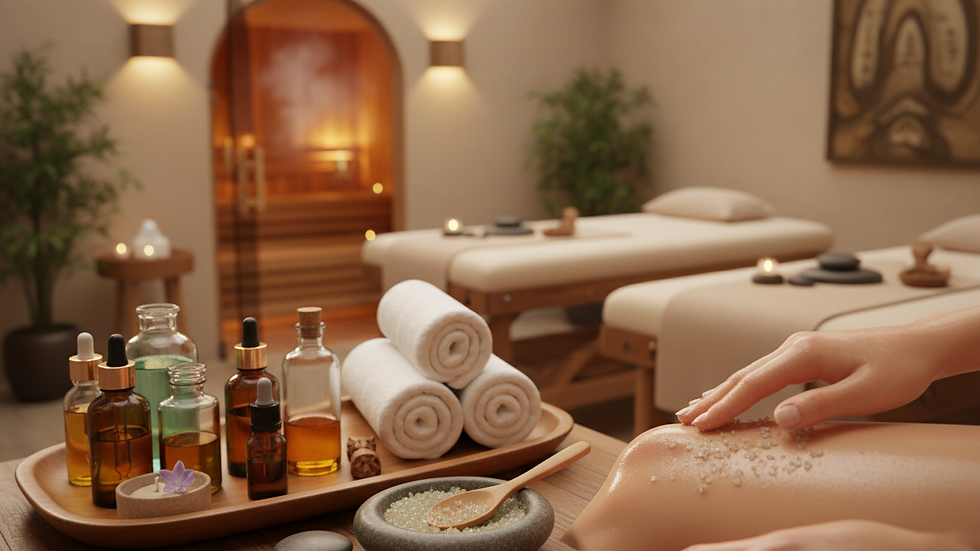
Relaxing environment: Sessions often take place in quiet, calm settings to promote relaxation.
Post-session advice: You may be encouraged to drink water, avoid strenuous activity, and monitor any changes.
The pressure during MLD is very light, almost feather-like, so it should never cause pain or discomfort. If you feel any discomfort, tell your therapist immediately.
Tips for Maximizing the Benefits of Manual Lymphatic Drainage
To get the most from your MLD sessions, consider these practical tips:
Stay hydrated: Drinking water helps flush toxins and supports lymph flow.
Move regularly: Gentle exercise like walking or stretching encourages natural lymph circulation.
Wear loose clothing: Tight clothes can restrict lymph flow.
Follow therapist recommendations: They may suggest specific exercises or skincare routines.
Be consistent: Regular sessions often provide better results than one-off treatments.
Maintain a healthy diet: Reducing salt and processed foods can help control swelling.
Seek treatment 3-5 days prior to big events.
Embracing Wellness Through Manual Lymphatic Drainage
Manual lymphatic drainage is a gentle massage technique that supports the lymphatic system by encouraging fluid movement and waste removal. It can reduce swelling, improve immune function, speed recovery, and promote relaxation. People with lymphedema, post-surgical swelling, chronic edema, or certain inflammatory conditions may benefit most. However, MLD is not suitable for everyone and should be avoided in cases of infection, blood clots, or uncontrolled health issues.
If you are considering manual lymphatic drainage, consult a qualified therapist and your healthcare provider to ensure it fits your needs. With proper guidance and care, MLD can be a valuable part of your health and wellness routine.
By embracing this holistic approach, you can find a path to relaxation and rejuvenation right here in Gates County, NC. Remember, taking time for yourself is essential for your overall well-being.


Comments